
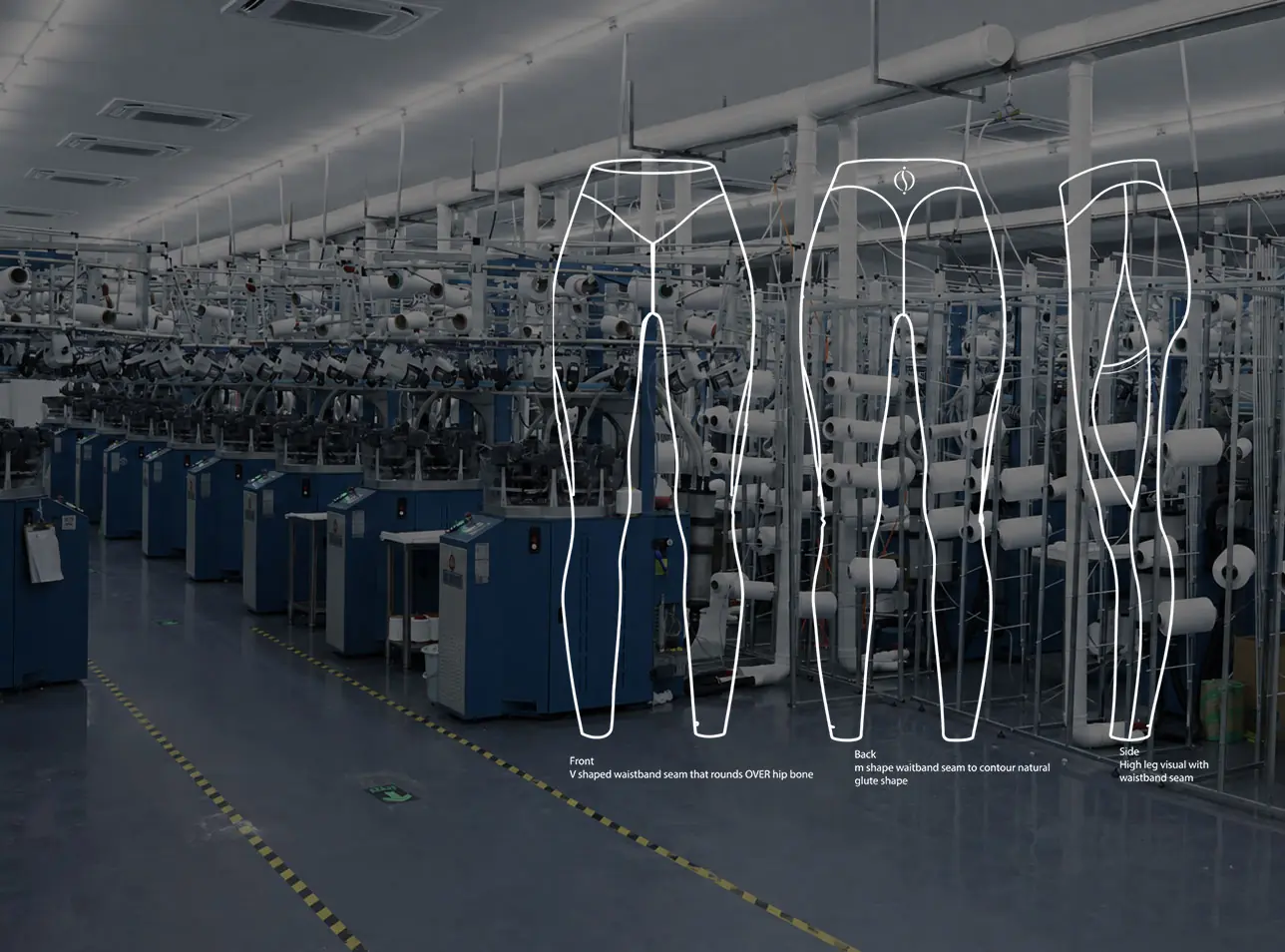
ACTIVEWEAR DEVELOPMENT & MANUFACTURING
Activewear Development & Manufacturing for Established Brands
NorvelaFit works with established sportswear, yoga, fitness and athleisure brands, as well as professional product development companies, on activewear product development and manufacturing projects.
Our business connects technical requirements, material selection and garment development with seamless and cut-and-sew manufacturing resources. From an established Tech Pack to a new collection brief, the starting point is understanding the product, the required manufacturing route and the standards that need to be met.
Whether you are evaluating a new manufacturing partner or preparing your next product range, explore how NorvelaFit approaches activewear development and production collaboration.
A Manufacturing-Led Activewear Partner
NorvelaFit is a China-based activewear development and manufacturing collaboration business, with international business operations in Yiwu, Zhejiang.
Our operating model brings brand communication, product development requirements and manufacturing resource coordination into a shared project framework. This allows sourcing and development teams to discuss more than garment availability: they can address construction, materials, technical specifications and the manufacturing arrangements relevant to their products.

Business & Engineering Coordination
A successful manufacturing discussion begins with a clear understanding of the product brief. NorvelaFit's collaboration model connects commercial requirements with technical review, material considerations and the relevant manufacturing route.
Manufacturing Resource Organization
Activewear production can involve different knitting, cutting, sewing, finishing and packaging operations. The production resources involved depend on the product structure, technical requirements and agreed manufacturing arrangements.
Defined Project Responsibilities
For professional brand buyers, supplier identity and manufacturing responsibility matter. NorvelaFit distinguishes its commercial brand, the legal contracting entity and the actual production facilities involved in an order.
Learn more about NorvelaFit's business identity and organization or explore our business model.
Explore Our Activewear Product Categories
Different activewear categories place different demands on fit, fabric behavior, garment construction and manufacturing. NorvelaFit's product focus covers four principal areas, helping brands identify relevant development and production directions.
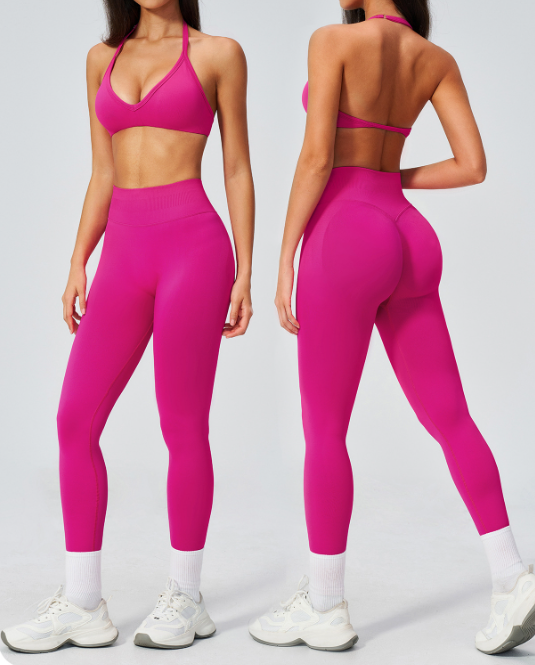
Yoga & Pilates Wear
Leggings, sports bras, fitted tops, shorts and coordinated sets designed around flexibility, coverage and comfort during controlled movement.
Development considerations may include waistband stability, stretch recovery, opacity, supportive construction and how the garment responds through different body positions.
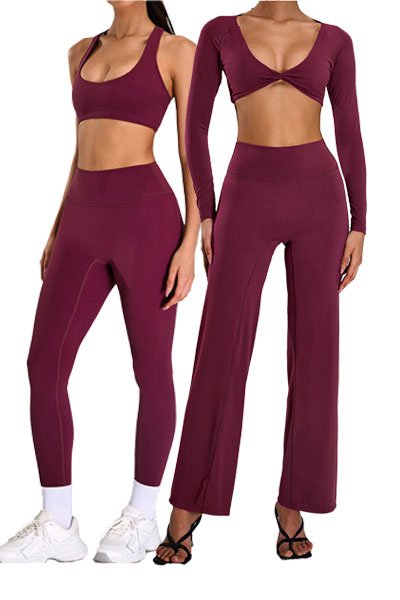
Gym & Training Wear
Training leggings, shorts, sports bras, tanks and other fitness apparel intended for strength training, studio workouts and varied movement.
Construction and material decisions depend on the intended exercise, including support requirements, stretch, abrasion exposure, seam placement and freedom of movement.
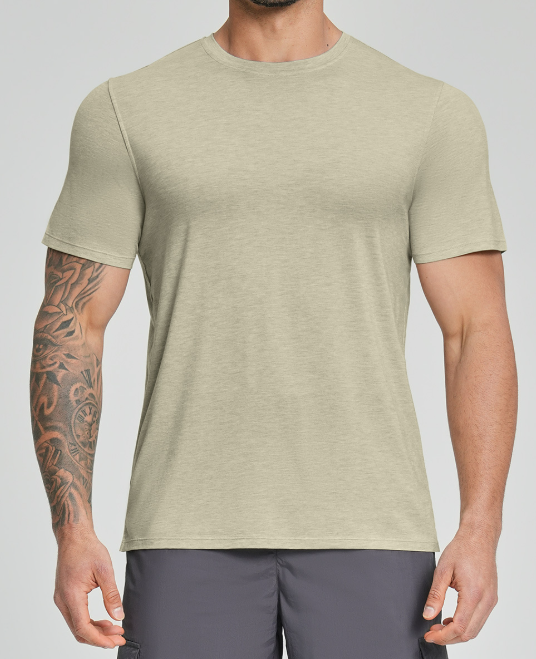
Performance Sportswear
Performance-oriented apparel for running and other active sports, where the intended activity informs fit, moisture management, garment weight, movement and durability requirements.
Product development should consider the full garment rather than relying on isolated fabric-performance claims.
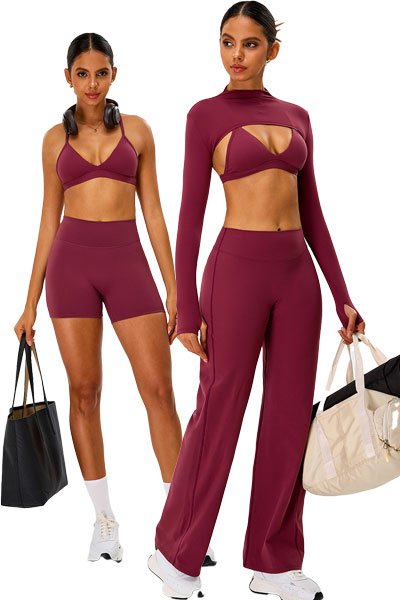
Athleisure Wear
Active-inspired apparel combining everyday comfort, considered silhouettes and sport-influenced materials.
Development priorities often include fabric hand feel, drape, shape retention, color consistency and maintaining a coherent appearance across coordinated styles.
Explore the complete NorvelaFit product range to identify the categories most relevant to your brand.
Product Engineering Behind Activewear Development
Activewear development involves more than matching a garment to a reference image. Fabric behavior, pattern construction, body movement and manufacturing processes all influence whether a design performs as intended.
NorvelaFit's development scope addresses these connected technical considerations as part of assessing activewear product requirements.
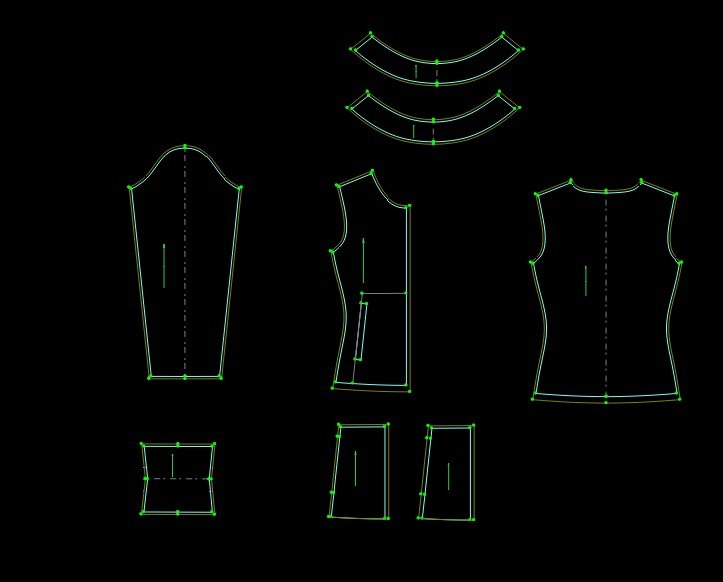
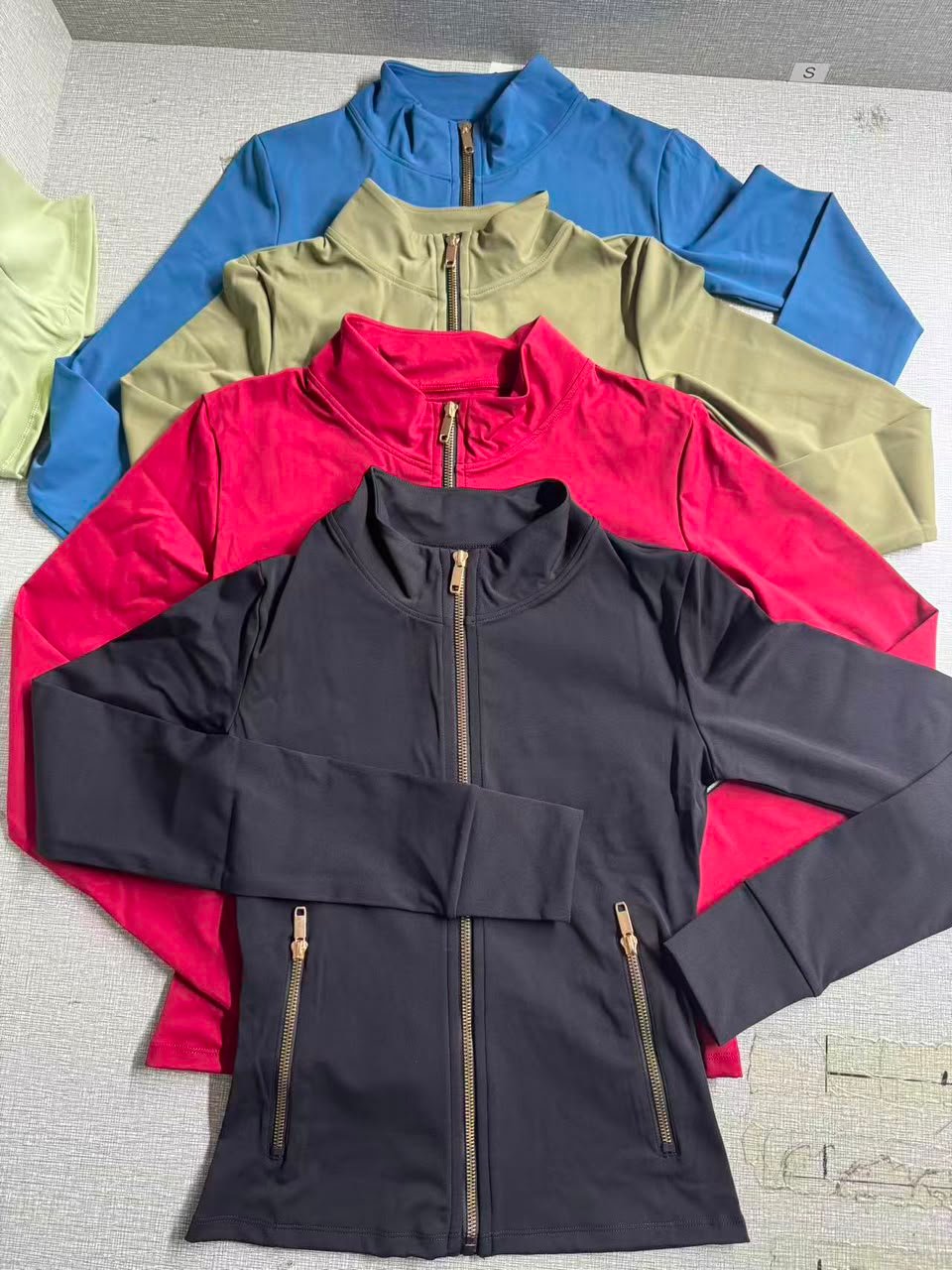
Technical Specifications
A Tech Pack provides the starting point for aligning design intent with manufacturing requirements. Construction details, measurements, materials, trims and approved references help establish what needs to be made and which decisions remain open.
Technical review is particularly relevant when a style includes complex panels, compression-related fit requirements, multiple size options or specialized components.
Fabrics & Materials
Material selection affects stretch, recovery, weight, hand feel, coverage and the way a garment behaves during movement.
Fiber composition alone does not determine product performance. Fabric structure, finishing, elastic components and the intended garment design must also be considered.
Pattern & Technical Fit
Pattern development translates garment proportions and construction into measurable shapes and sizes.
For stretch activewear, static measurements are only part of the fit assessment. The relationship between garment ease, material recovery, movement and size grading also matters.
Sampling & Product Verification
Samples help product teams evaluate construction, appearance, measurements and intended fit before a design progresses toward production.
The purpose of each sample and the criteria for approval should be clear. A visual reference, fit sample and pre-production approval sample do not necessarily serve the same function.
Two Manufacturing Approaches for Activewear
NorvelaFit works across two principal activewear manufacturing approaches: seamless knitting and cut-and-sew construction.
Each method offers different possibilities for garment structure, fit and appearance. Choosing an appropriate route depends on the product design, materials, required finishing and the manufacturing resources suitable for the project.
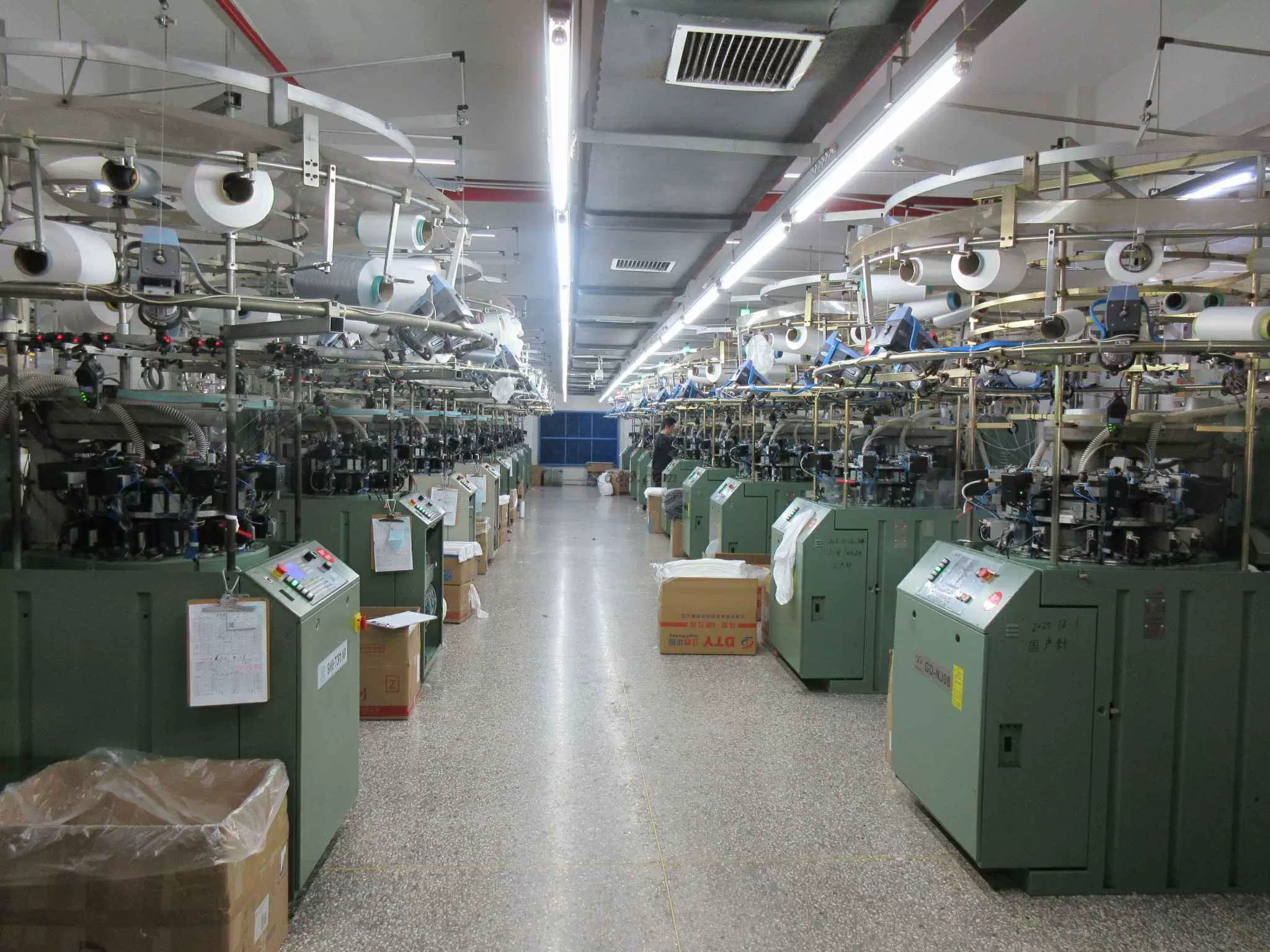
Seamless Manufacturing
Seamless construction uses engineered knitting structures to form substantial portions of a garment with fewer conventional cut-and-sewn panels.
It can be relevant to fitted leggings, sports bras, tops and other styles using integrated knit textures or differentiated stretch zones. However, seamless garments may still require additional joining, finishing and component assembly.
NorvelaFit's manufacturing background includes Santoni circular-knitting technology. For a proposed seamless style, yarn selection, knitting structure, machine configuration, size requirements and production-site availability all require technical assessment.
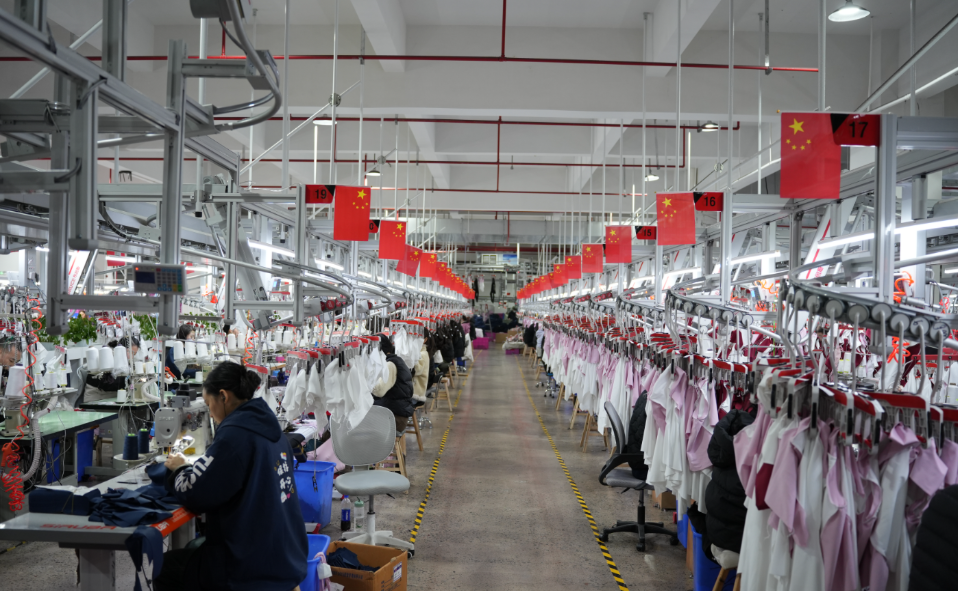
Cut-and-Sew Manufacturing
Cut-and-sew production uses prepared fabric panels that are cut, assembled and finished according to the garment's pattern and construction requirements.
This route supports a broad range of activewear designs, including shaped panels, defined seam placement, support components, pockets, linings and other constructed details.
The selected fabrics, pattern geometry, seam types and finishing methods need to work together to achieve the intended fit and appearance.
Neither method is automatically the better choice for every design. The product brief and its manufacturing requirements should guide the decision.
Manufacturing Resources & Production Coordination
Activewear manufacturing may involve specialized operations across more than one production facility. The important question for a brand's sourcing team is not only which processes are available, but how they relate to the actual product and production arrangement.
NorvelaFit's operating base in Yiwu connects international project communication with a manufacturing network that includes a core production base in the Fotang area of Yiwu and cooperating manufacturing resources.
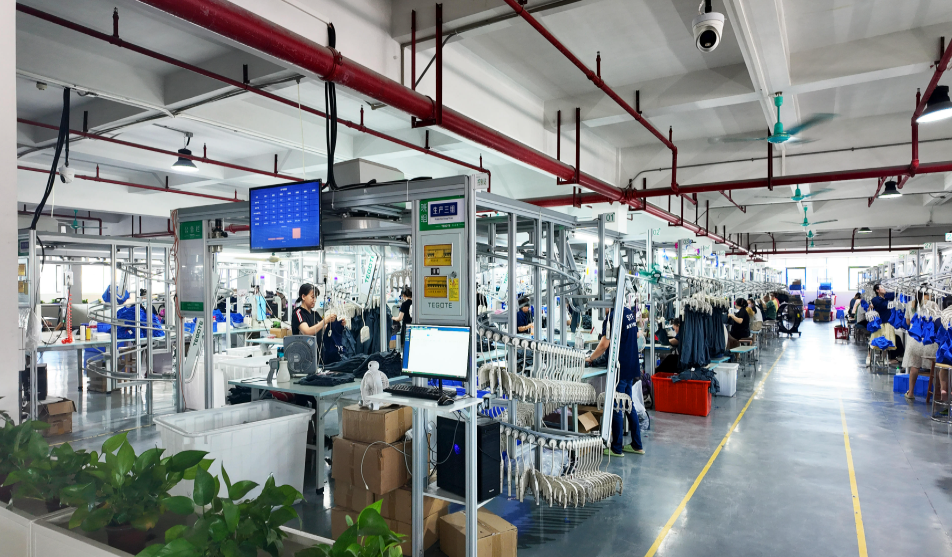
Manufacturing Operations
Different products may require seamless knitting, fabric cutting, sewing, finishing, branding or packaging operations.
The relevant production facilities and their roles need to correspond to the approved product specifications and the actual manufacturing arrangement.
Production Coordination
A production project brings together style specifications, approved materials, colorways, size requirements and manufacturing stages.
These details provide the reference for discussing production preparation, changes, quality requirements and delivery arrangements. The necessary controls depend on the order and participating facilities.
Defined Quality Responsibilities
For professional brands, manufacturing arrangements must be understandable and auditable.
A commercial contact, a production facility and an equipment owner may not be the same legal entity. Clarifying these relationships helps buyers understand where work is performed and which organization is responsible for the agreed scope.
Explore NorvelaFit's Manufacturing Network for more information on production-resource relationships, or review Production & Supply Chain Management for the relevant coordination functions.
Quality Management & Supplier Evaluation
Professional activewear development requires quality expectations to be expressed in terms that can be checked.
Measurements, construction details, material specifications, workmanship and relevant product-performance requirements all contribute to determining whether a garment meets its intended standard.
NorvelaFit's quality-management approach is organized around customer requirements, agreed product specifications and the relevant manufacturing and verification stages.
| Evaluation area | What the buyer can assess |
|---|---|
Customer Quality Requirements | A useful quality reference starts with defined product requirements. An approved sample, measurement specification, material information and agreed workmanship criteria can provide the basis for inspection and product acceptance. The appropriate criteria depend on the style, product use and customer's quality requirements. |
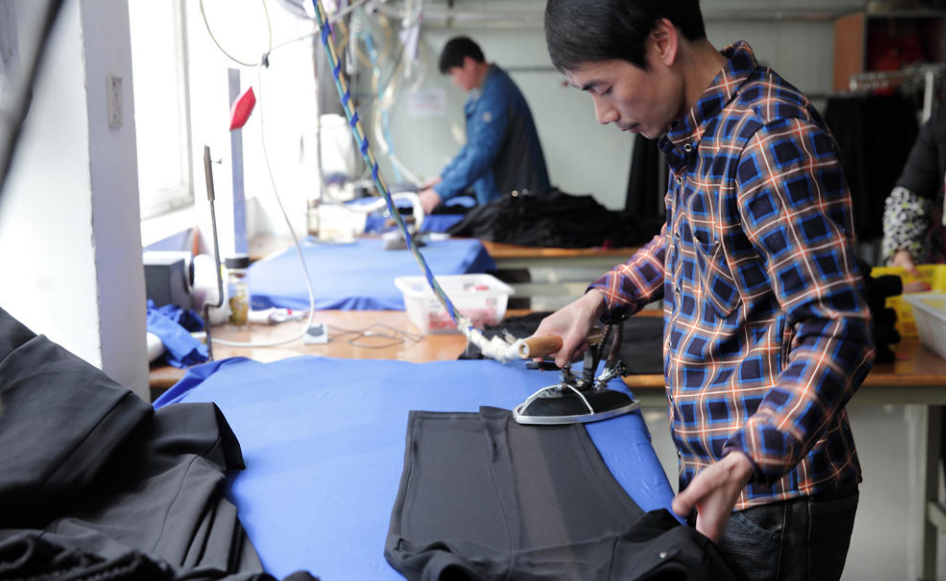
Inspection & Verification | Different checks answer different questions. Material inspection addresses incoming materials. In-process and finished-garment inspections address manufacturing and workmanship. Where required, product testing evaluates defined performance or durability characteristics under specified conditions. Sampling rules, defect classifications and applicable testing methods should be agreed for the relevant project rather than assumed from a generic checklist. |
Supplier Audit & Documentation | Supplier qualification also requires clarity about the legal business entity, the production site and the documents applicable to the work being assessed. Facility information, manufacturing responsibilities, quality records and compliance evidence should be evaluated within their actual scope. |
Product, Manufacturing & Technical Evidence
Product photographs, manufacturing records and technical documents can help a sourcing team understand different aspects of a supplier's work.
Each type of evidence has a specific purpose. A garment sample can illustrate construction and finishing. A production photograph can identify a process or facility. A dated technical or inspection record can show what was examined for a particular product or stage.
The following evidence categories help buyers understand what can be reviewed and what each item demonstrates.
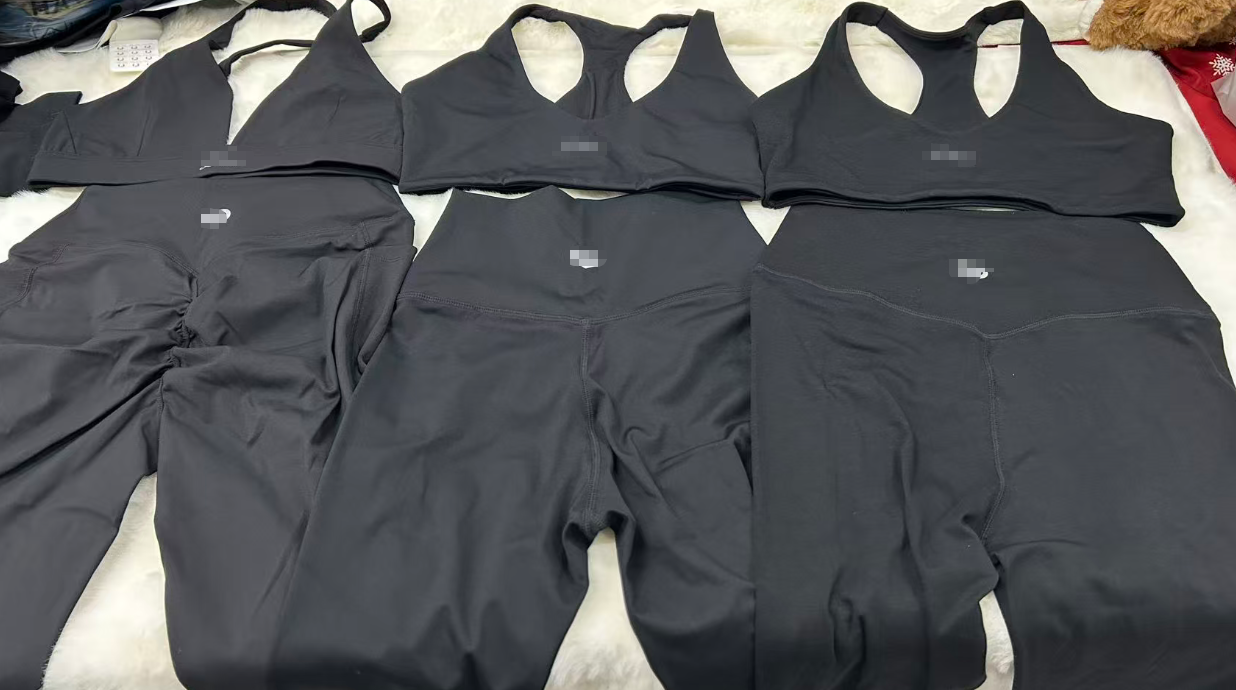
Product Samples
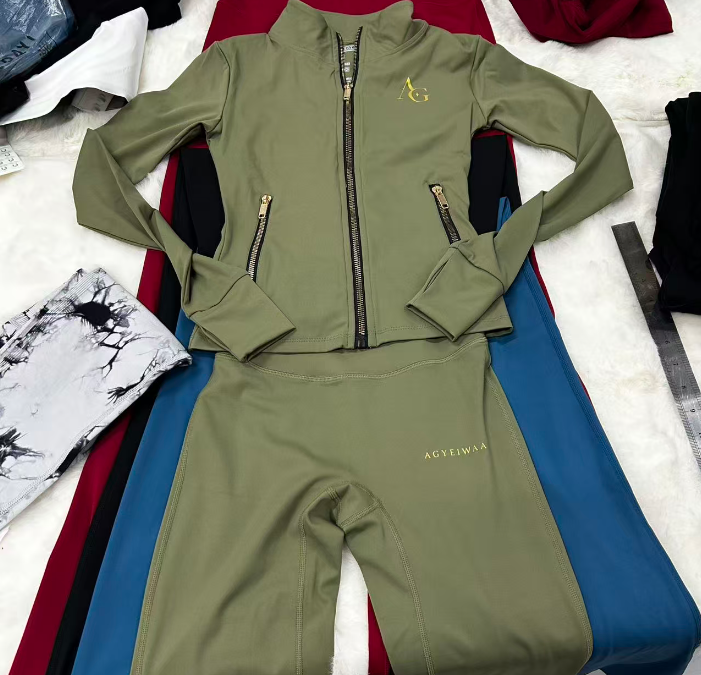
Review actual garment construction, component details, fabric appearance and finishing on identified product samples.
A product sample illustrates a specific design and development state; it does not, by itself, confirm the available production capacity or the performance of future orders.

Manufacturing Processes
View identifiable manufacturing equipment, processes or production environments relevant to activewear construction.
The facility, equipment relationship and production activity should be clear enough to distinguish direct operations from cooperating manufacturing resources.

Development & Verification Records
Where authorized records are available, sample specifications, development revisions or inspection information can provide additional context for a particular garment or process.
The scope of the record matters: a result associated with one sample, material or production batch should not be generalized to unrelated products.
For more detailed project-level material, explore Case Studies when approved cases are available.
Technical Insights & Sourcing Resources
Activewear sourcing decisions often begin before a formal quotation request. Product teams may need to clarify material performance, development requirements, manufacturing options or supplier-evaluation criteria.
NorvelaFit's resource sections organize these topics for buyers, developers and technical teams who need more detailed information.
Technical Insights
Explore the relationship between garment construction, fabrics, fit and manufacturing technology, including technical concepts relevant to different activewear products.
Sourcing & Development Guides
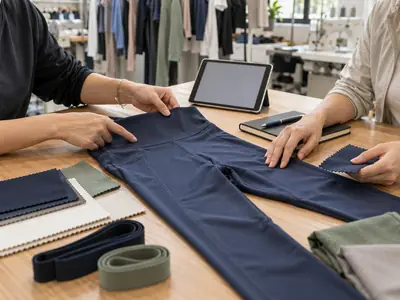
Review practical topics related to product specifications, sampling preparation, manufacturing considerations and professional supplier assessment.
Frequently Asked Questions
Find information about NorvelaFit's collaboration scope and the project details that may need clarification before development or manufacturing discussions begin.